

Data leaders are asked for two things at once
Every organisation in Saudi Arabia wants to move faster on data and AI. At the same time, regulators, boards and customers expect tighter control over data quality, lineage and privacy. For most data teams, those two demands pull in opposite directions.
Today, delivering a single trusted dataset usually takes three tool budgets: one for integration (ETL/ELT), one for data quality and one for governance and cataloguing. On top of that sits a team of engineers who stitch the tools together, write the pipelines, test them and document them by hand. The result is a backlog measured in weeks, while the business waits.
The pressure keeps rising. Saudi Arabia’s Personal Data Protection Law (PDPL) is now actively enforced, and organisations are being asked to show evidence of how personal data is classified, processed and protected. Meanwhile, every AI initiative, from customer segmentation to fraud detection, depends on data that is clean, governed and ready to use.
What is an agentic data platform?
An agentic data platform uses specialised AI agents to carry out the data lifecycle end to end, rather than just suggesting code. The agents understand your data estate, design business domains, build and test data products, master golden records and answer questions. People step in at defined gates to confirm a design or approve a deployment.
This is different from a coding copilot. A copilot suggests code inside an engineer’s editor; the engineer still builds, tests, documents and ships everything. With Celvari, the agents do the work, and your engineers move from building every pipeline to reviewing and approving it.
Under the hood, Celvari runs more than 30 specialised agents, each owning one job: profiling, classification, design, a critic that reviews designs, build, test, documentation, deployment, record matching, stewardship and question answering. Every agent follows the same reasoning loop:
Every step (prompt, model, reasoning and result) is logged and replayable. Models are assigned per agent and can be switched between cloud, private and local models, which matters for organisations with strict AI and data policies.
How Celvari works: seven workflows, one governed platform
Celvari covers the whole data lifecycle in five stages. Each stage takes what the previous one produced and hands the next something governed, with everything written to one open data catalogue that you own.
- Knowledge ingestionAgents read your data dictionaries, policies and specifications. They extract business terms and synonyms with a confidence score and link them to your data catalogue, so the business glossary builds itself.
- Profiling and classificationEvery column is profiled and classified. Personal and sensitive data (PII) is flagged automatically at column level, the foundation of any data privacy programme.
- Domain buildingYour data estate is organised into governed business domains. Every table is classified, owned, tagged and searchable, with column-level data lineage.
- Domain designDesign agents start from your business questions, declare the grain in plain English, prove it against profiled data and lay out conformed dimensions. A critic agent reviews the design before anything is built.
- Data product buildIntent becomes a versioned specification, then passes a quality gate, then becomes generated and tested SQL. One human approval sends it to production. Changes made by chat re-run the same governed path.
- Master data management BetaAgents match records across sources, draft survivorship rules from your policies, route low-confidence pairs to a data steward and publish golden records for customers, products or suppliers.
- Explore and askBusiness users ask deployed data products questions in natural language and get results, charts and the SQL behind them. BI tools and applications connect through BI and API access.
The outcome is a set of AI-ready data products: tested, documented, lineaged and approved datasets that analytics, reporting and AI models can trust.
Governance by design: three gates nothing can skip
In most organisations, data governance runs as a separate programme beside delivery. In Celvari, governance is produced by the build itself. Building a data product follows eight automated steps with three hard gates.
Because lineage, classification and approval evidence are created with every build and mapped to your data governance framework, an audit becomes an export rather than a project.
Your data stays. The work comes to it.
Most data platforms make you ship your data to wherever the processing lives. Celvari does the opposite, which makes it a natural fit for data sovereignty requirements in Saudi Arabia.
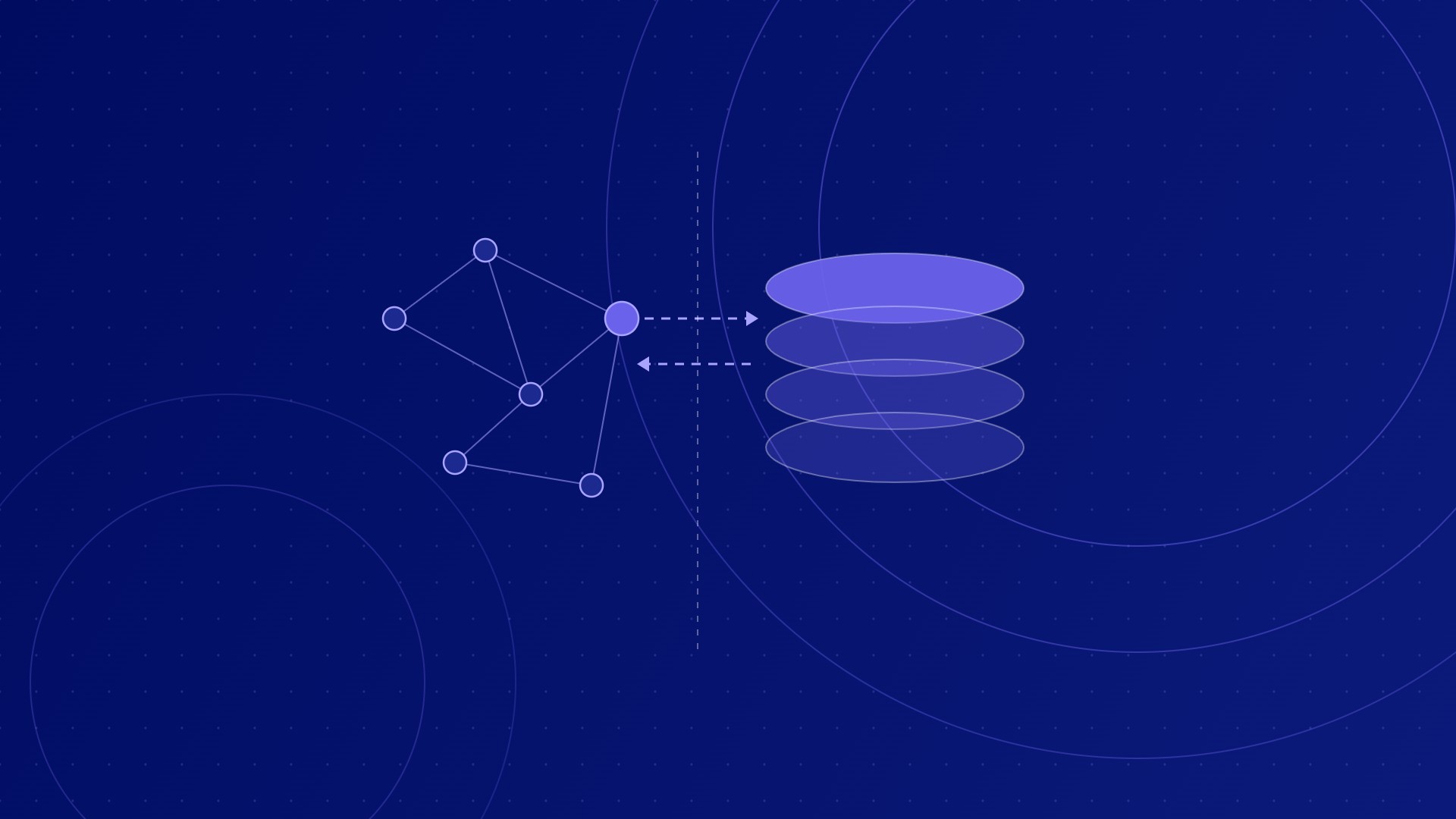
A control plane holds the agents, orchestration, reasoning and catalogue. The data plane is your own database, where every transformation executes in place. Only metadata, generated SQL and prompts cross the line, over encrypted transport; production data never does.
For regulated organisations this matters in three ways:
- Data residency: data stays in your environment, whether that is a Saudi cloud region, your own data centre or an air-gapped network.
- PDPL readiness: column-level PII classification, lineage and approval history give your governance team the evidence they need for personal data protection reviews.
- No lock-in: the output is standard SQL models, standard tests and an open catalogue. Walk away tomorrow and keep all of it.
What Celvari changes for each department
Celvari is bought by data and IT leaders, but its value reaches every team that depends on trusted data.
Data & BI teams
TodayWeeks of pipeline backlog; engineers build, test and document by hand.
With CelvariAgents build models, pipelines and tests; engineers review and approve. Weeks of queue become same-day delivery.
CIO & IT
TodayThree tool budgets (ETL, quality, catalogue), integration effort and vendor lock-in.
With CelvariOne platform on your existing database and ETL, with standard SQL and an open catalogue you keep. Lower TCO.
Governance, risk & compliance
TodayGovernance runs as a separate programme; audit and PDPL evidence is assembled manually.
With CelvariPII flagged at column level, lineage and approvals produced by every build, audit evidence as an export.
Data management office
TodayDuplicate customers, products and suppliers across systems.
With CelvariMaster data agents match records, draft survivorship rules and route uncertain matches to stewards (beta).
Finance
TodayReports reconciled from several systems; numbers that differ between departments.
With CelvariConformed dimensions and tested data products give one version of the truth for financial reporting.
Digital product & AI
TodayAI features and personalisation wait for data that is ready and allowed to be used.
With CelvariGoverned, AI-ready data products in days, with lineage showing exactly where model inputs come from.
Business users & executives
TodayEvery new question becomes a ticket to the BI team.
With CelvariNatural-language questions on deployed data products, with results, charts and the SQL behind them.
Celvari across industries
The same governed path applies everywhere; what changes is the data, the regulation and the first use case.
Banking & financial services
Regulatory reporting, credit risk and customer analytics under SAMA supervision and the PDPL. Celvari builds tested, lineaged data products, flags customer PII automatically and keeps data inside the bank’s own environment.
Insurance
Policy, claims, customer and provider data across many systems, integrated into governed domains, with the same customer matched across motor, health and other lines (beta).
Healthcare
Patient and claims data profiled and classified at column level, on-premises or air-gapped, with no copies sent to external platforms.
Retail & e-commerce
POS, ERP, inventory, loyalty and e-commerce data across hundreds of branches, turned into sales, inventory and supply chain data products in days, with product and supplier records mastered.
Telecom
Huge volumes of customer, network and usage data organised into governed domains with column-level lineage, plus self-service access through natural-language queries.
Energy, utilities & manufacturing
Operational, production and asset data joined with ERP data, running natively on engines such as Oracle, SQL Server, Microsoft Fabric and Databricks.
Logistics & transport
Fast-moving shipment, fleet and operations data from many partners, turned into governed data products with quality checks before every build.
Government & semi-government
Data kept within the entity’s perimeter, with governance evidence produced as part of the work, supporting alignment with national data management standards.
Celvari vs the traditional data stack vs coding copilots
Celvari is not a copilot bolted onto a thirty-year-old engine, and it does not replace the ETL/ELT tools you already own. It runs alongside them as an on-ramp, not a forklift.
| Coding copilot in the IDE | ETL + quality + catalogue stack | Celvari | |
|---|---|---|---|
| Who builds | Your engineer, with suggestions | Your engineers, tool by tool | Agents end to end, with a human at every gate |
| Who tests and documents | Your engineer, manually | Separate tools, separate teams | Every build: tests, lineage and glossary are produced by the work |
| Where governance comes from | Not addressed | A programme run beside delivery | Gates inside the path: quality before code, tests before progress, a human before production |
| Where your data goes | Stays put | Often copied into vendor runtimes | Stays put: the work comes to your engine |
| What you keep if you leave | Whatever was written | Metadata locked to each tool | Standard SQL models, tests and an open catalogue |
Results from Celvari customers
First data product live after deployment, eCommerce pilot.
All 12 data products delivered, against about 14 days estimated by hand.
Five governed, AI-ready data products, public-sector pilot.
Revenue growth reported with AI agents running on the governed data products.
Figures tracked per build by the platform across Celvari customer deployments, as of Q3 2026.
Frequently asked questions
What is an agentic data platform?
It is a data platform where specialised AI agents carry out data engineering work end to end (profiling, modelling, building, testing, documenting and deploying) while people approve the key decisions at defined gates.
Does our data leave our environment?
No. Celvari’s control plane holds the agents, orchestration and catalogue; transformations run on your own database. Only metadata, generated SQL and prompts cross over encrypted transport. Production data never does.
Can Celvari run on-premises or air-gapped?
Yes. The data plane can be in the cloud, on-premises or fully air-gapped, and the AI models used by each agent can be cloud, private or local.
Which databases does Celvari support?
Celvari generates native SQL for 14 engines, including Oracle, SQL Server, PostgreSQL, MySQL, Snowflake, Databricks, BigQuery, Redshift, Microsoft Fabric, Spark, Trino and DuckDB.
Do we have to replace our ETL tools?
No. Celvari runs alongside the ETL/ELT you already own. It is an on-ramp, not a forklift replacement.
How does Celvari help with PDPL compliance?
Celvari flags personal and sensitive data at column level, traces lineage for every column and records every approval. That gives your governance team ready evidence of how personal data is classified and processed. It supports your compliance programme; it does not replace legal review.
What happens if we stop using Celvari?
You keep everything it built: standard SQL models, standard tests and an open catalogue. There is no proprietary format to migrate away from.
See Celvari on your own data
Smart Way Technology (SWT) is the Celvari partner in Saudi Arabia and brings it to banks, insurers, healthcare providers, retailers and public entities across Saudi Arabia. In a 30-minute session, the SWT team will walk you through the platform and show how your first governed data product could be delivered in days.


Leave A Comment