


Most Saudi companies still wait days for a single report. A business user asks IT for a dashboard, IT builds a query, and by the time it’s delivered the numbers are already stale. Self-service BI tools in Saudi Arabia flip this model: business teams explore data themselves, in minutes, without writing SQL or waiting on a developer queue.
This guide covers six proven reasons Saudi organizations are adopting self-service BI in 2026, what to look for in a platform, and how to roll it out without creating a new mess of disconnected spreadsheets.
Table of Contents
- 1. Faster decisions, fewer bottlenecks
- 2. Lower cost per report
- 3. Governance without gatekeeping
- 4. Higher adoption than traditional BI
- 5. Arabic-language and RTL dashboard support
- 6. Easier integration with existing systems
1. Faster decisions, fewer bottlenecks
When sales, finance, and operations teams can build their own views over trusted data, the IT backlog stops being the bottleneck for everyday decisions. Requests that used to take a week become a five-minute self-service query, which matters most during month-end close or a fast-moving market shift.
2. Lower cost per report
Every custom report built by a developer has an ongoing maintenance cost. Self-service BI tools spread that cost across reusable, governed datasets that any trained business user can query, cutting the marginal cost of each new report close to zero.
3. Governance without gatekeeping
The fear with self-service BI tools in Saudi Arabia is always “what if everyone builds their own version of the truth.” Modern platforms solve this with a certified semantic layer: IT defines the trusted metrics and data model once, and business users explore freely within those guardrails instead of building parallel, conflicting spreadsheets.
4. Higher adoption than traditional BI
According to Gartner’s research on business intelligence platforms, tools designed for business users consistently see higher day-to-day adoption than IT-only reporting stacks, simply because people actually open dashboards they can modify themselves.
5. Arabic-language and RTL dashboard support
For teams operating across Saudi Arabia, dashboard usability in Arabic, right-to-left layout support, and Hijri calendar filters are not nice-to-haves — they are what determines whether a tool actually gets used outside the head office. This is one of the most overlooked evaluation criteria when companies pilot international BI platforms locally.
6. Easier integration with existing systems
The best self-service BI rollouts connect directly to the systems teams already use — ERP, CRM, HR, and finance platforms — instead of requiring a separate data warehouse project before anyone sees value. Starting with two or three connected sources and expanding gradually keeps the first win close and visible.
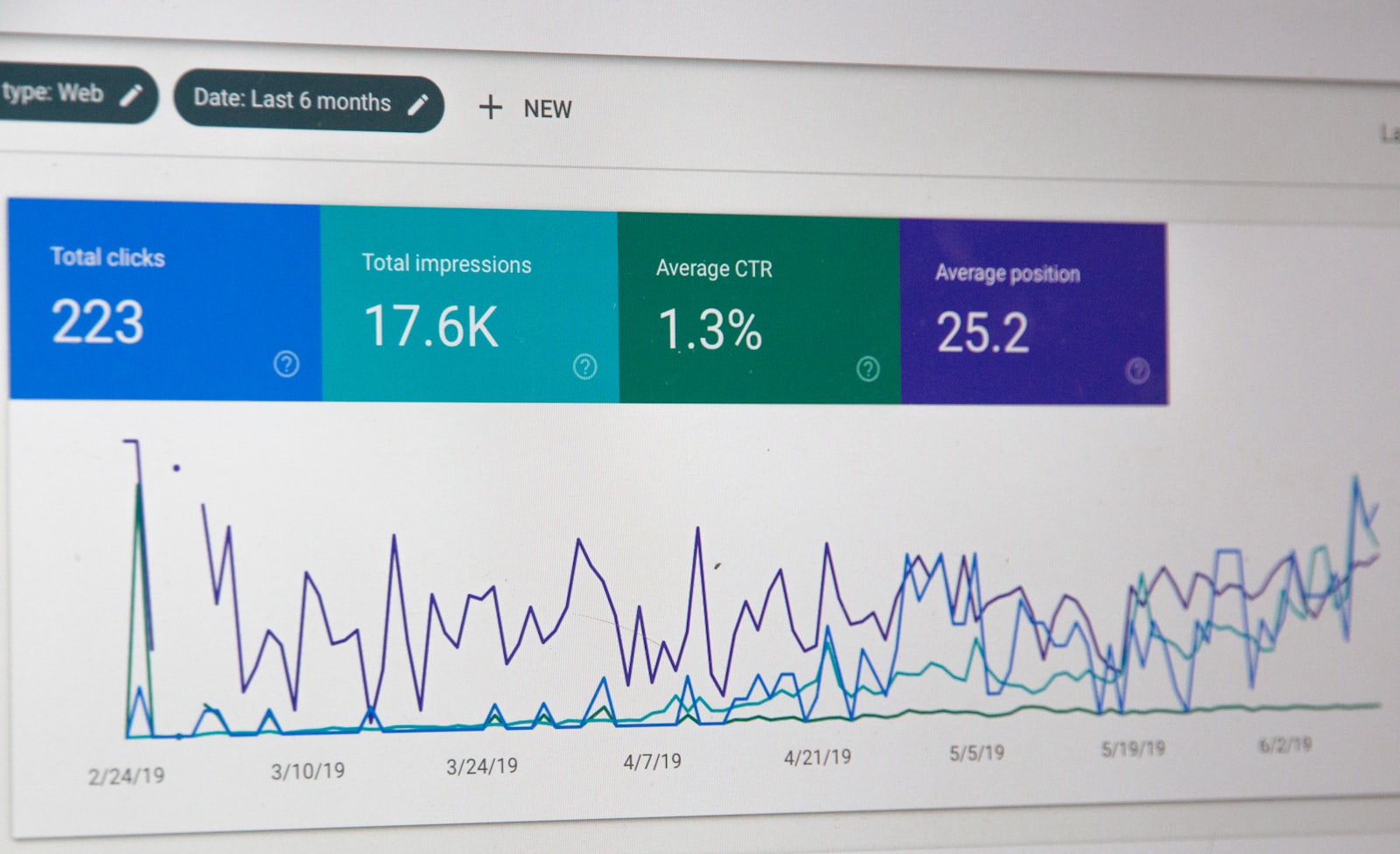
How Smart Way Approaches Self-Service BI Tools in Saudi Arabia
Smart Way’s Self-Service Hub is built around a governed semantic layer, so business teams get flexible dashboards without losing a single source of truth. We connect it to your existing data management stack and, where needed, layer in technology consulting to plan the rollout in phases that show value from week one.
Frequently Asked Questions
Is self-service BI secure enough for financial data?
Yes, when it is built on a governed semantic layer with row-level permissions, self-service BI tools in Saudi Arabia can be as secure as traditional reporting — often more so, since access rules are enforced centrally rather than copied across spreadsheets.
Do business users need training?
A short onboarding session is usually enough, since most modern self-service BI tools use drag-and-drop interfaces rather than code.
How long does a pilot rollout take?
Most Smart Way self-service BI pilots go live within 3-4 weeks, starting with one or two priority datasets.
Ready to give your teams self-service access to trusted data? Explore Smart Way’s Self-Service Hub or reach out for a free consultation.


Leave A Comment